

chevron_left
-
 play_arrow
Techno Radio Top Music Radio
-
play_arrow
London Calling Podcast Yana Bolder
music_note
Get Inspired: A Guide For Young People Breaking Into Digital Media

There’s a straightforward path for you into digital media: build a strong portfolio with short films, podcasts or social campaigns, polish your CV and online profiles, and seek placements at UK outlets or local creative organisations; watch for scams and data risks when freelancing or buying tools, and learn basic rights such as GDPR; use mentorship and networking to accelerate progress and tap into the rapidly growing demand and freelance pay across streaming, social and indie production.
Key Takeaways:
- Build a UK-focused portfolio: host a polished showreel or website (GitHub/Behance/own domain), include measurable results and client briefs, and show compliance with UK GDPR and copyright norms.
- Get hands-on experience via apprenticeships, internships and entry schemes: explore degree apprenticeships, BBC Academy bursaries, Creative England initiatives, and youth programmes such as the Prince’s Trust or Creative Access.
- Learn the right technical and editorial skills: video and audio editing, social-platform storytelling (TikTok, Instagram, X), analytics/SEO, and basic web coding – all paired with strong editorial judgment for UK audiences.
- Network and pitch effectively in the UK market: use LinkedIn, industry events, BAFTA/Creative England meetups and targeted applications; tailor your CV, cover letter and showreel to each role and commissioning brief.
- Plan the business side of a media career: understand HMRC self-assessment, national insurance, setting freelance rates in £, contracts and rights management; consider joining BECTU or another union for support and protection.
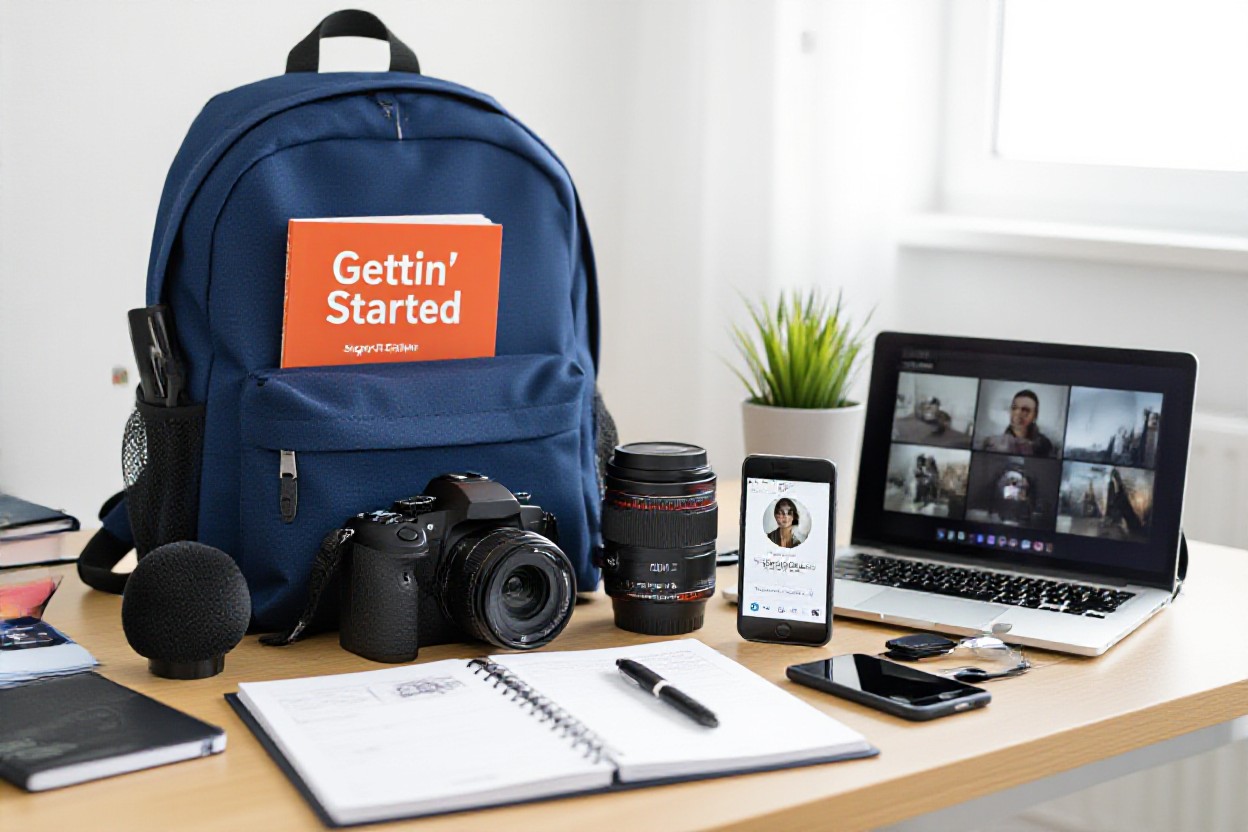
Gettin’ Started: How to Jump In the Game
Start by picking a niche and building a simple portfolio: a blog post, a 60‑second video and a two‑minute audio clip. Commit to publishing 1-3 pieces per week for 3 months, use free hosting (WordPress, YouTube, Anchor) and track performance with platform insights or Google Analytics. Apply for UK digital media apprenticeships via GOV.UK, volunteer at a campus paper or local radio, and use those first gigs to prove you can ship work consistently.
Hustle Hard: Finding Your Passion
Test fast: run five formats in eight weeks – short video, longform article, thread, podcast mini‑series and newsletter – then compare metrics like views, shares and repeat engagement. Factor in what you enjoy making daily and where you keep returning; passion that converts into output matters. Use a small KPI (e.g. 1,000 post impressions or 100 minutes listened) to decide which format to scale, and lean into the one that keeps you creating.
Level Up: Skills You Need to Know
Focus on storytelling, basic editing, SEO and analytics. Learn one tool at a time: start with WordPress for publishing, Premiere Pro or DaVinci Resolve for video, Audacity or Reaper for audio, and Google Analytics for audience data. Aim for 30-60 minutes daily practice for 30 days per tool to reach practical competence, then add design skills with Figma and captioning for accessibility.
Dive deeper by mapping a 6‑month skills plan: month one HTML/CSS basics and WordPress setup, month two video editing plus 10 edited clips, month three audio production and a 5‑episode pilot. Use free UK resources like BBC Academy and FutureLearn, join local Meetups or uni media societies for feedback, and track growth targets (for example, 500 monthly listeners or 1,000 subscribers in six months). Be aware that breaching libel, privacy or Ofcom rules can end a project, so learn legal basics alongside craft.
Tips for Networking: Buildin’ Your Squad
You should aim for deliberate networking: target 1-2 industry events a month, keep a list of 30+ quality connections, and follow up within 48 hours with a personalised note. Use LinkedIn and local groups like ScreenSkills or BAFTA Crew to meet producers and editors. Watch out for unpaid, exploitative offers and set minimum rates to protect your time. Perceiving micro-opportunities early helps you convert casual chats into paid gigs.
- Attend 1-2 targeted events monthly (eg Creative UK, BAFTA Crew, ScreenSkills).
- Reach out to 5 relevant people/month on LinkedIn with a one-line value offer.
- Propose micro-collabs: a 2-hour shoot, a 60-second TikTok collab, or a £100 test edit.
- Keep a contact CRM or simple spreadsheet with dates, interests and follow-up reminders.
- Avoid unpaid, exploitative work; set and share minimum day rates.
Connect and Collaborate: Make Those Moves
You can open collaborations with a crisp message: name yourself, reference one specific piece of their work, then propose a 30-60 minute call with a clear outcome. Offer a low-risk pilot – a 2-hour shoot, a 60-second TikTok collab, or a paid £100 test edit – to prove value quickly. Track replies and prioritise the top 20% who engage for follow-up over the next three months.
Showin’ Love: Building Authentic Relationships
You build authentic ties by sending useful links, celebrating others’ wins publicly, and offering quick help on projects; personalised follow-ups within 7 days boost reply rates. Keep notes on hobbies and mutual contacts, limit active management to under 200 names, and favour steady contact over sporadic grand gestures to strengthen trust.
Practically, pick a segment of 30-50 contacts to nurture: send one tailored update a month, offer help on one small task every quarter, and record outcomes in a simple sheet. Use examples: send a short case study (one page) after a successful collab, reference shared contacts when pitching, and avoid generic mass messages – these tactics consistently lead to more repeat bookings and referrals in regional markets like London, Manchester and Glasgow.

The Right Vibe: Factors to Consider
- audience
- platform
- tone
- consistency
- legal
Assess your audience first: age, habits and where they spend time online dictate tone and format. Match platform norms – short vertical clips on TikTok/Reels, in-depth pieces on YouTube – and weigh production costs against expected reach; A/B tests often reveal which formats win. Factor in legal risks like copyright, defamation and data rules in the UK, and guard brand safety as a potential hazard. Perceiving how these elements interact directs your content priorities and pacing.
Know Your Scene: Finding Your Niche
Scan competitors and gaps: use YouTube Analytics, Instagram Insights or TikTok trends to spot underserved topics; niches with 10k-50k engaged followers often deliver better ROI than saturated mass markets. Test 3-5 content pillars for four weeks, track CTR and watch time, and lean into what gets repeat viewers. If you cover UK student finance or sustainable fashion, narrow focus by format – explainers, tutorials or reaction videos – so your audience recognises your expertise fast.
Stay Fresh: Keeping Up with Trends
Set up a daily 20-30 minute routine to monitor hashtags, trending sounds and newsfeeds; tools like TikTok Creative Center, BuzzSumo and Google Alerts help you spot momentum early. Follow UK outlets and creators who break stories, and be ready to adapt formats within 24-48 hours to ride peaks in attention while avoiding shallow copycat posts that dilute your voice.
To act on trends effectively, build a lightweight pipeline: shortlist rising ideas, draft a quick script, film a 30-60 second test and publish within two days, then iterate based on metrics – for example, a rapid UK charity stitch or challenge that gained national traction often hinges on timely relevance plus a clear call-to-action. Protect yourself by checking rights for sounds and verifying facts to avoid misinformation or reputational damage, and use trends to showcase your perspective rather than chase every viral moment for short-term spikes.
Content Creation: Flippin’ Ideas into Gold
Turn one idea into multiple formats: a 6-8 minute YouTube explainer becomes a 60‑second Reel, three TikTok clips and a blog post with timestamps. You should test 15-60s short-form and measure thumbnail CTR (2-10% is a useful benchmark) and average view duration; small tweaks like colour, hook or caption can lift reach by double digits. Use A/B thumbnail tests and repurpose long interviews into bite-sized lessons to scale output without burning out.
Be Real: Authenticity in Your Work
You show process, not polish: share a 60‑second BTS of lighting and failed takes, candidly state costs and routines, and reply to DMs to turn casual viewers into followers. Use first‑person voice, short takes and on‑screen captions since many UK viewers watch muted; unscripted stories and admitted mistakes often increase saves and DMs more than perfected edits.
Tools of the Trade: What You Gonna Use?
Start with your phone-iPhone 13 or Pixel 6a covers 4K-then add a £45 Rode VideoMicro, a £20 ring light and a tripod; upgrade to a Sony A6400 (~£850) and Rode Wireless GO II (~£199) when growing. Edit with DaVinci Resolve (free) or Canva for social graphics. Prioritise sound: good audio matters most for retention and perceived quality.
Export H.264 MP4 for socials: 1080p at 8-12 Mbps, 25fps for PAL or 30fps for online, AAC 128 kbps; for YouTube 4K use 35-45 Mbps. Track performance with YouTube Studio, TikTok Analytics and Google Analytics 4; schedule via Hootsuite or Buffer and host podcasts on Acast/Anchor. Protect your channel: avoid unlicensed music and follow GDPR when collecting emails, since copyright strikes and data breaches can end monetisation and reputations.

Marketing Yourself: Spreadin’ the Word
Social Media Swagger: Use It Right
Use platform-specific tactics: TikTok thrives on 15-60s native clips, Instagram favours Reels and carousels, and LinkedIn rewards long‑form posts and networking. Over 90 per cent of 16-24s in the UK use social media, so your audience is there. Post consistently – aim for daily short‑form on TikTok, 3-5 posts a week on Instagram, and weekly LinkedIn pieces. Track analytics weekly, run quick A/B tests on hooks, and avoid inconsistent posting that kills discoverability.
Brand Yourself: Stand Out in the Crowd
Pick three adjectives that define your tone, design a simple logo and palette, and lock a consistent handle across platforms. Buy a .uk domain and build a one‑page portfolio showcasing your top six pieces, linked in every profile. Use Canva templates for repeatable visuals, keep a clear 2-3 line bio, and treat your brand as a mini editorial – coherent, searchable and repeatable.
Draft a one‑page brand brief listing mission, audience and three visual rules; choose an 80×80 profile photo that scales, set up Google Analytics and a Mailchimp form, and aim for 1-3 per cent conversion from social to your newsletter. Test two headlines per post, track bounce rate and session duration, and steer well away from polarising posts that slash reach – consistency and measurable tweaks win over time.
Keep Grindin’: Stayin’ Motivated
When things stall, structure beats inspiration – block three two-hour creation slots per week, track views and engagement in a simple spreadsheet, and celebrate small wins like your first 1,000 views or first paid gig. Use UK outlets as targets – local BBC Introducing slots or community radio pitch nights – and protect your time to avoid burnout by batching tasks and outsourcing admin when needed.
Overcoming Haters: Turn Negativity into Fuel
Start with moderation tools: mute, block and report; set a clear comment policy on your channels. When criticism is substantive, audit content for patterns – maybe thumbnails or captions need changing. Treat negative comments as data: a recurring complaint can represent a 10% improvement opportunity. Preserve evidence of threats and, if necessary, report to the police, then channel responses into refinement while taking breaks to avoid emotional drain.
Setting Goals: Reach for the Stars
Define SMART targets: specific KPIs like monthly subscribers, set measurable milestones and fixed timelines. Try a 90-day plan – upload twice weekly, aim for 2,000 views per video within three months and secure one brand collaboration by month six. Track weekly metrics and adjust; aim for an engagement rate above 2-3% on new platforms to signal traction to partners.
Break goals into weekly tasks: week 1 script three ideas and film one; week 2 edit and schedule; month 1 aim for 200 followers and test two ad boosts at £20 each. By month 3, present growth metrics (views, watch time, engagement) to apply for small UK grants – Arts Council or local council funds often back pilot projects of £500-£1,500. Use A/B thumbnails and titles to lift click-through by 15-30%.
Summing up
Now you have a clear roadmap to break into digital media: build a strong portfolio, network with contacts at agencies and broadcasters like the BBC, practise multimedia skills, pursue relevant apprenticeships or a degree, and keep up with Ofcom guidelines and platform trends. Focus on practical projects, measurable metrics for growth, and professional conduct to increase your chances of paid roles or freelance work across the UK market.
FAQ
Q: How can a young person in the UK begin a career in digital media with little or no experience?
A: Start by choosing a practical focus (content creation, editing, social media, UX, data, production). Use free and low-cost UK resources-BBC Bitesize/Skills, ScreenSkills online training, FutureLearn courses from UK universities, and local college short courses. Build hands-on experience with student TV, local community radio, voluntary projects, or micro‑internships; these count more than theoretical study. Make a simple portfolio site (site builders often have free plans) and a short showreel or project page showing one or two finished pieces. Apply for entry apprenticeships (level 3-6) advertised on the UK government apprenticeship site and industry schemes at the BBC, Channel 4, ITV, and ScreenSkills Trainee Finder. Use job boards that focus on UK creative roles-Mandy, ProductionBase, Creativepool, and ArtsJobs-and approach local production companies or councils with tailored pitches and links to work.
Q: What are realistic budget and funding options for training and starting projects in the UK?
A: Budgets vary by specialism; basic kit and software for a beginner can be £200-£1,000 (phone stabiliser, microphone, basic editing software), while more professional kit can be £1,000+. Funding options: apprenticeships pay a wage while you learn; Student Finance England covers university fees and maintenance loans for degree routes; Creative bursaries and regional funds are offered by Arts Council England, Creative England and local film offices; ScreenSkills and broadcaster schemes sometimes offer grants or travel bursaries. Crowdfunding platforms popular in the UK include Crowdfunder and Kickstarter (UK campaigns). For small projects, ask for in‑kind support from colleges or co‑work spaces, or collaborate on revenue‑share basis. Keep clear cost splits and contracts even for small budgets.
Q: How should I present my portfolio and CV to UK employers and commissioners?
A: Keep a concise CV (one page) with contact details, links, key skills, and brief role descriptions that quantify impact (views, engagement, budgets, audience reach). Use a portfolio website or Vimeo/YouTube private links with timecodes and short context for each piece: brief, objective, your role, tools used, outcome. For moving‑image showreels aim for 60-120 seconds with your strongest work first; for UX or data work include case studies with problem → process → result and metrics. Tailor applications to the role and the organisation-refer to UK commissioners’ style (e.g. BBC, Channel 4) and include relevant experience. Include referees or testimonials from UK placements or tutors where possible.
Q: What legal, rights and tax issues should young people in the UK be aware of when creating content?
A: Check copyright and clearances for music, images and footage-use licensed music (PRS for Music, PPL) or royalty‑free libraries and get written model/location releases. Comply with data protection and privacy rules under UK GDPR and the Information Commissioner’s Office (ICO) when collecting personal data or running competitions. If you earn money, register as self‑employed with HMRC for self‑assessment or consider a limited company for higher earnings; be aware of National Insurance and VAT thresholds. For broadcasting and advertising content, follow Ofcom and ASA guidance. Keep simple written agreements for paid work and freelancing: scope, deliverables, fees, payment terms and IP ownership.
Q: What practical ways can young people in the UK network, gain mentors and win paid work early on?
A: Attend UK industry events and festivals-Edinburgh TV Festival, Sheffield Doc/Fest, London Film Festival and regional networks-plus local Meetups and university alumni events. Apply to mentorship and talent schemes like BAFTA Crew, ScreenSkills placements, broadcaster early‑careers programmes and regional creative hubs. Use LinkedIn and X professionally: follow UK producers, commissioners and studios, share short case studies and project updates, and send concise, personalised messages with links to work when asking for advice or introductions. Volunteer or low‑paid assistant roles at productions or agencies are common entry routes; treat them as learning and networking opportunities and set clear timelines for progression to paid roles. Keep a simple CRM (spreadsheet) of contacts, follow‑ups and outcomes to track applications and meetings.




Post comments (0)